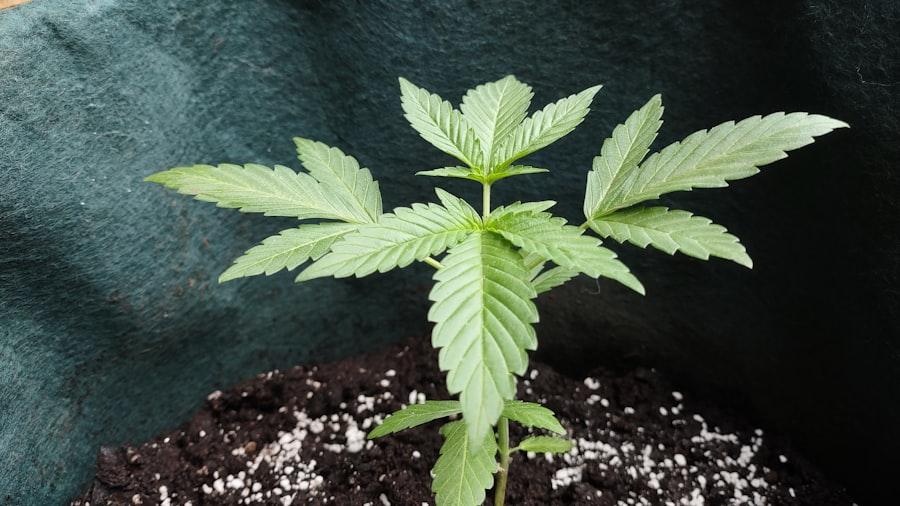
The standard light schedule for cannabis clones and teens is 18 hours of light and 6 hours of darkness during vegetative growth, then 12 hours on and 12 hours off to trigger flowering. Fresh clones also need gentler intensity than mature plants. Get the hours right, ramp the intensity gradually and keep the dark period truly dark, and the plants will do the rest.
Key takeaways
- Use 18/6 for vegetative growth; it keeps clones and teens from flowering.
- Start fresh clones at roughly 100 to 300 PPFD and work up to 400 to 600 for established veg plants.
- Switch to 12/12 when plants are about half the final height you want.
- Keep the dark period completely dark in flower to avoid stress and intersex flowers.
Why light hours control growth stage
Most cannabis is photoperiod sensitive. While nights are short, the plant stays in vegetative growth, building stems, leaves and roots. When it gets an uninterrupted night of roughly 12 hours or more, it starts flowering.
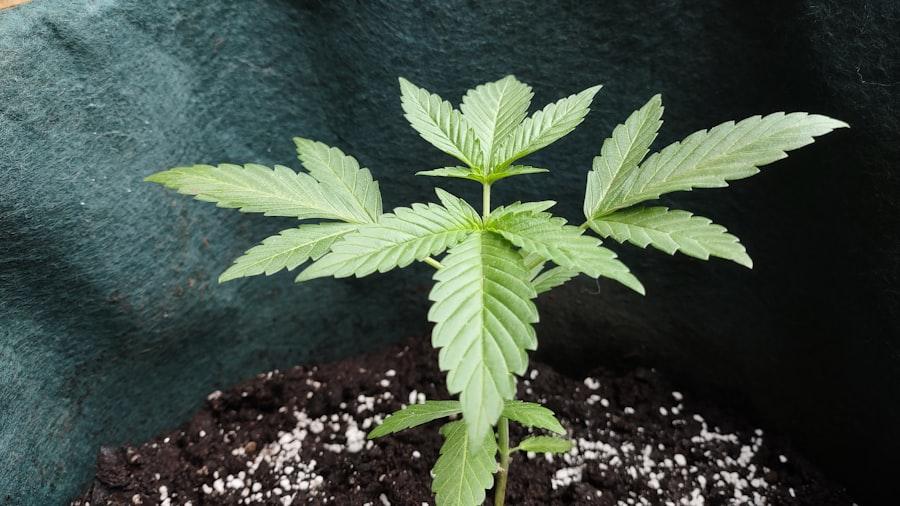
Clones are cut from mother plants kept in veg, so they arrive ready to keep growing vegetatively under long days. That means you control when they flower simply by changing the timer.
The best light schedule for cannabis clones in veg
18 hours on and 6 hours off is the most common veg schedule. It gives plenty of light for growth, a short rest period and a bit of savings on electricity compared with running lights all day. Many growers run lights overnight when it is cooler and power may be cheaper.
Some growers use 20/4 or even 24/0 for clones. These can work, but there is little evidence that fresh cuttings benefit much, and a dark period gives you a natural window to check plants without blasting your eyes. 18/6 is a reliable default.
- Fresh or just-shipped clones: 18/6 at low intensity
- Rooted, established clones and teens: 18/6 at moderate intensity
- Mother plants: 18/6 indefinitely
Light intensity and distance
Hours are only half the picture. Intensity, usually measured as PPFD, tells you how much usable light reaches the leaves. Freshly rooted or recently shipped clones do best around 100 to 300 PPFD. Once they are transplanted and growing, 400 to 600 PPFD is a comfortable veg range. Flowering plants commonly run 700 to 1,000 PPFD without added CO2.
If you do not have a light meter, follow the manufacturer's recommended hanging height and dimmer settings for seedlings or clones, then lower the light or raise the dimmer gradually over a week or two. Many modern LED fixtures sit around 18 to 24 inches above young plants and closer for flowering.
Watch the top leaves. Tacoing upward, bleaching or crispy edges near the light mean it is too intense. Long, stretchy stems with wide gaps between nodes mean it is too weak.
When to flip to 12/12
Plants keep growing taller for the first two to three weeks of flower, a phase called the stretch. Indica leaning plants may grow 50 percent more, and sativa leaning plants can double. The usual rule is to flip when plants are about half the height you want them to finish at.
For a tent, measure the usable height, subtract the pot and the space you need under the light, and divide by two. If your clones reach that height in two weeks, flip at two weeks. Teens usually reach flip size sooner than clones, which is one of their advantages.
Keeping the dark period dark
During flowering, light leaks during the 12 hour night can confuse the plant. Small leaks from a tent zipper or an indicator light are a common cause of stress, delayed flowering and occasional hermaphrodite flowers.
Check your space by sitting inside or standing near the plants with the lights off for a few minutes until your eyes adjust. Cover LEDs on power strips, seal tent seams and avoid opening the tent during lights off. If you must work in the dark period, a dim green headlamp is the common workaround.
Light schedules for outdoor and light-dep grows
Outdoors, the sun sets the schedule. Clones planted in spring stay in veg while days lengthen, then begin flowering as nights grow longer in late summer. Planting too early in spring, when nights are still long, can make clones start to flower and then revert, which slows them down.
Some growers pull a blackout tarp over greenhouse or hoop house plants to force an earlier 12/12 schedule. That approach, often called light deprivation, lets you harvest before autumn rains. If you are planning an outdoor season, clones and teens from The Clone Supply ship nationwide with shipping included, so you can time arrivals to your local daylight.
Choosing a light for clones and teens
For a small clone setup, a modest full-spectrum LED or a T5 fluorescent fixture is plenty. Clones need gentle light at first, so a big flowering LED running at full power is usually overkill unless it is dimmable. Many growers use one small light for clones and a larger fixture for the main tent.
For teens and established veg plants, a quality LED sized for your tent is a good investment. Look for a fixture with a published PPFD map, a dimmer, and enough output to reach roughly 700 to 1,000 PPFD across the canopy for flowering. That way, the same light can carry plants from veg through harvest.
Heat matters too. LEDs run cooler than older HID lights, but they still warm a small tent. Keep canopy temperatures in the 72 to 82 F range and use a fan to move air across the plants so leaves do not heat up directly under the fixture.
Strains mentioned in this guide
Every strain ships free as a $70 clone or a $120 teen.
Frequently asked questions
Can I give clones 24 hours of light?
Clones will survive and grow under 24 hours of light, and some growers use it for rooting. Most find 18/6 gives similar growth with lower power use and a healthier rhythm for the plant.
Do teens need a different light schedule than clones?
No. Both use 18/6 in veg and 12/12 in flower. Teens can usually handle more intensity sooner because they have more leaves and larger roots.
What happens if I forget to turn the lights off one night in flower?
A single interruption is unlikely to ruin the crop but can stress plants. Get back on schedule right away and watch for signs of intersex flowers over the following weeks.
Should I use a timer?
Yes. A simple mechanical or digital timer keeps the schedule consistent, which matters far more in flower than in veg.
Found this helpful? Share it with a fellow grower.
This guide is general growing information, not legal advice. Results depend on your setup, and you are responsible for following the cultivation laws where you live.