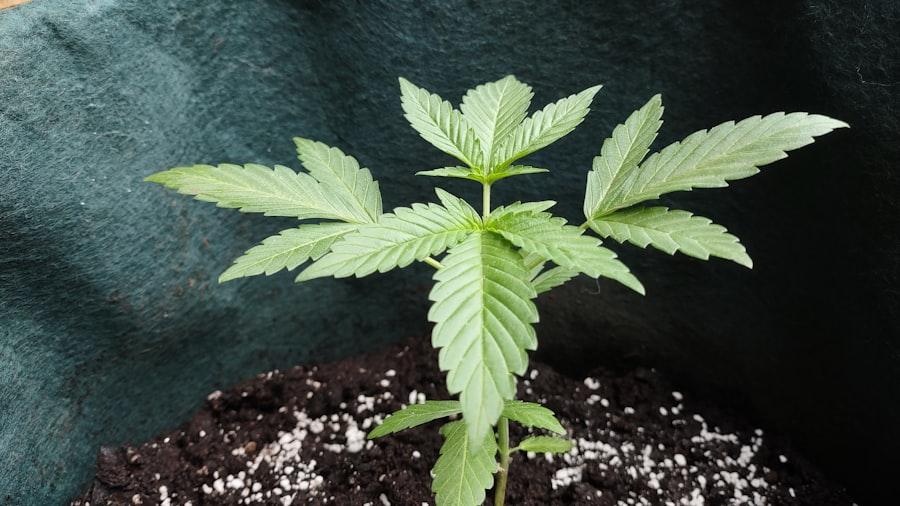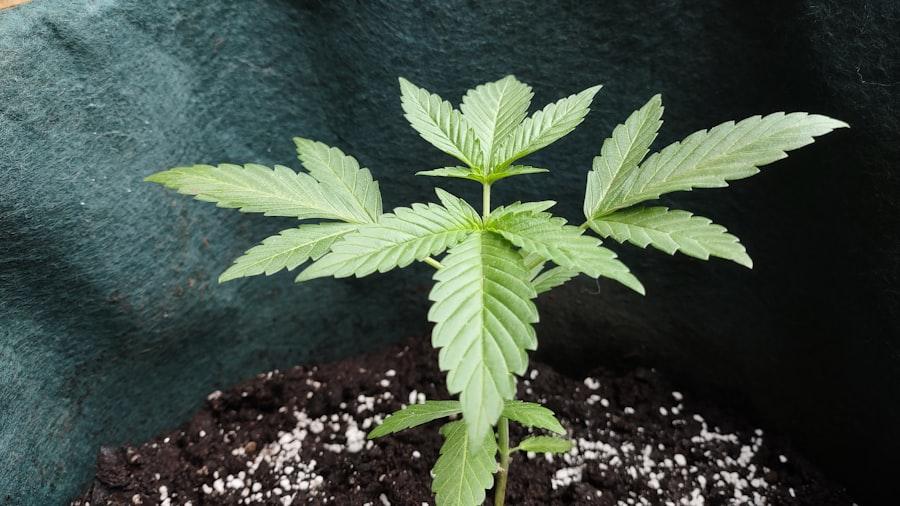
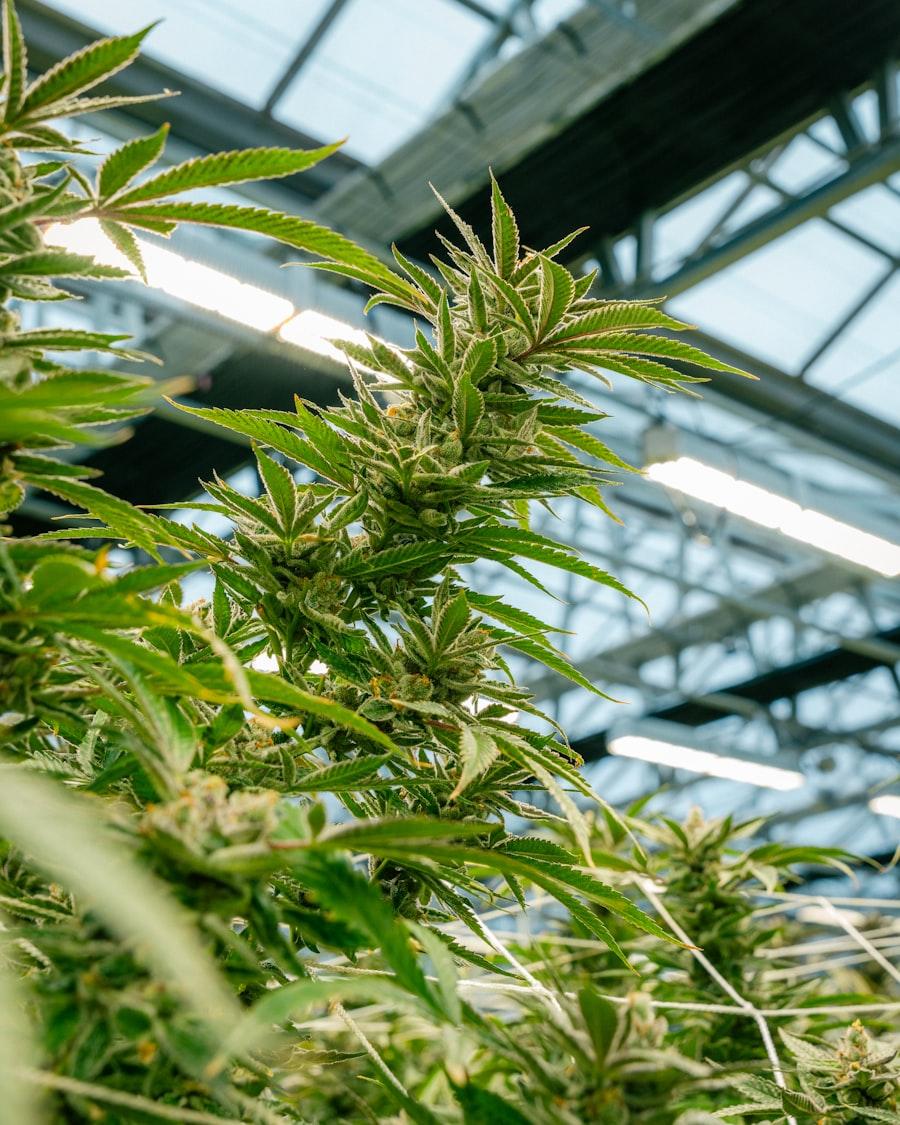
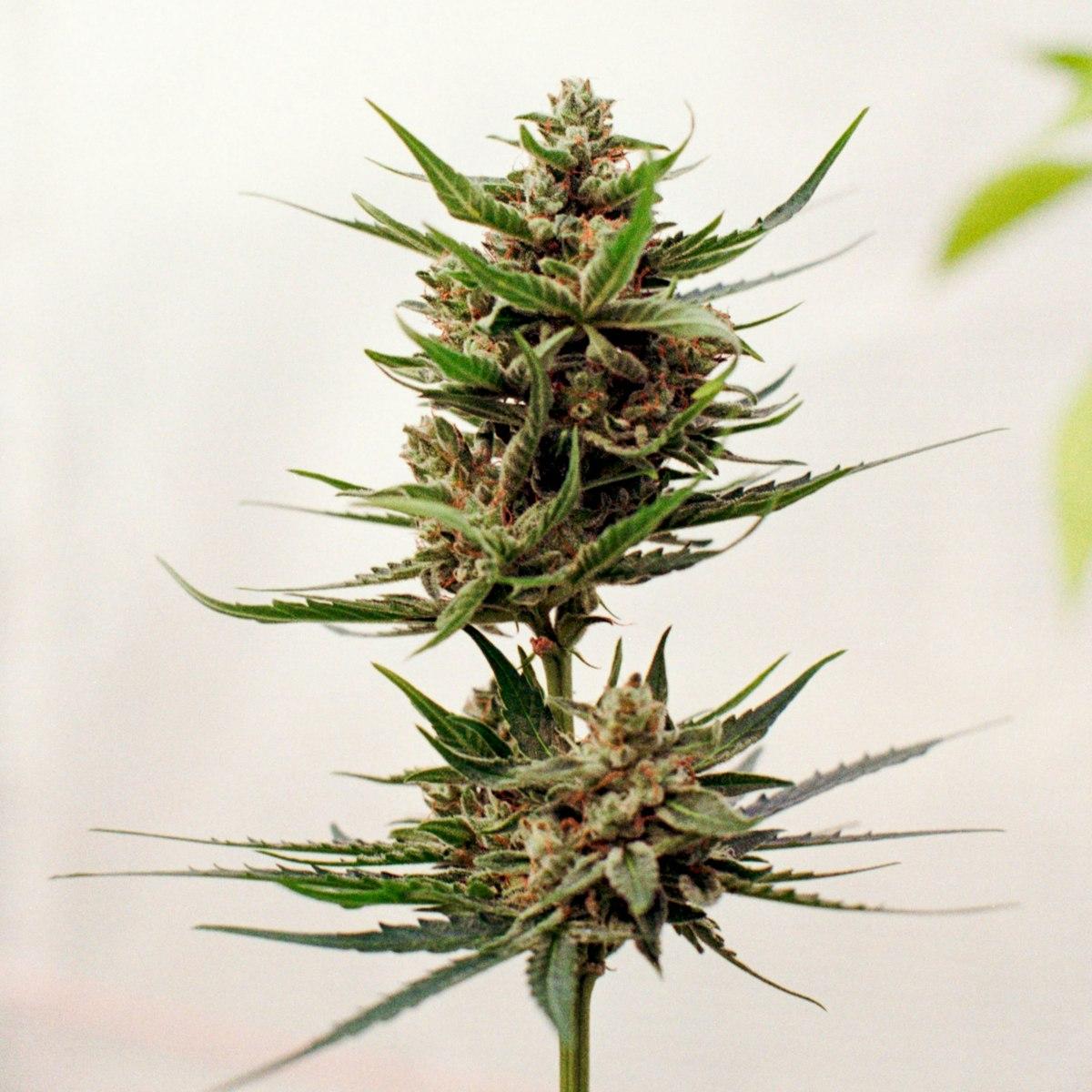
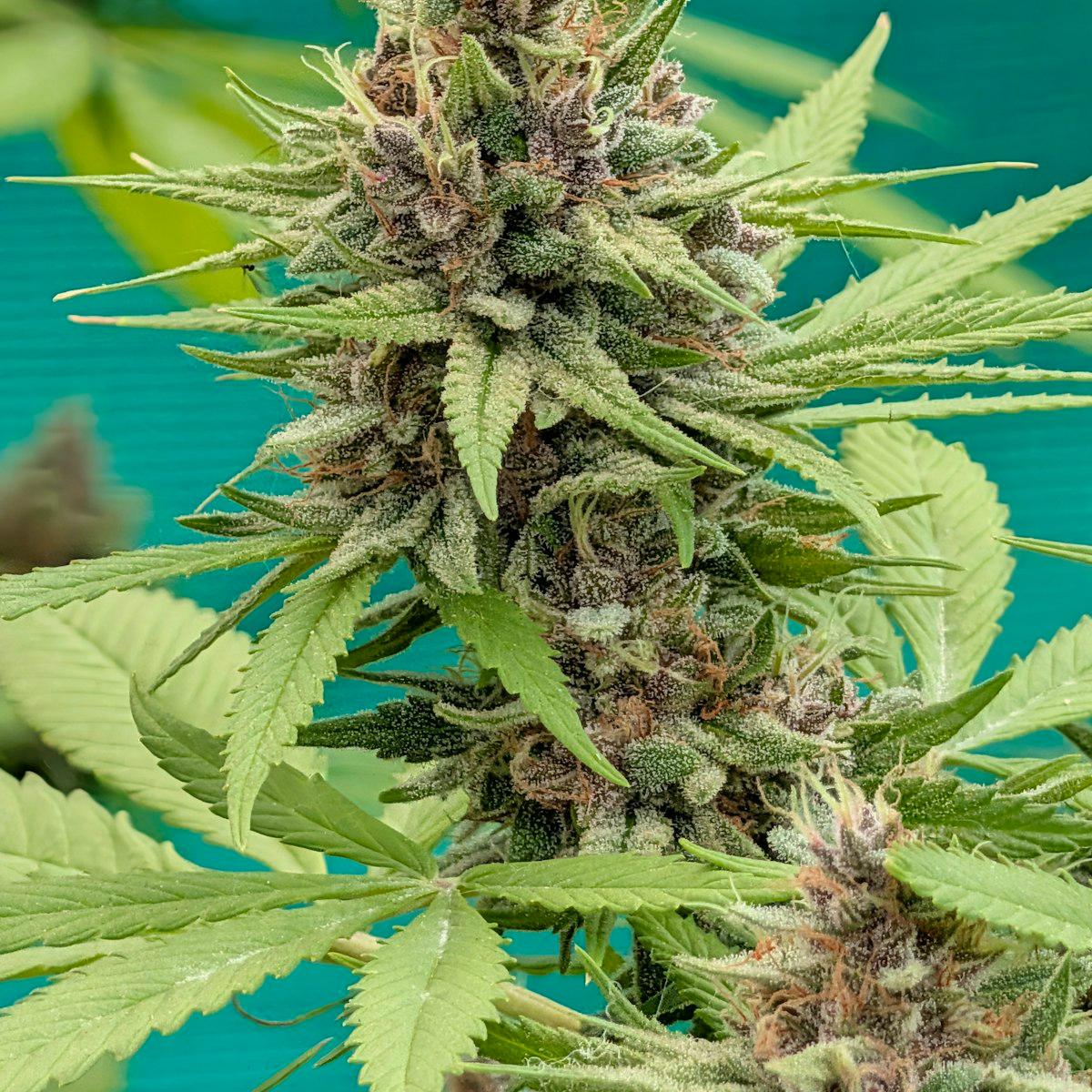
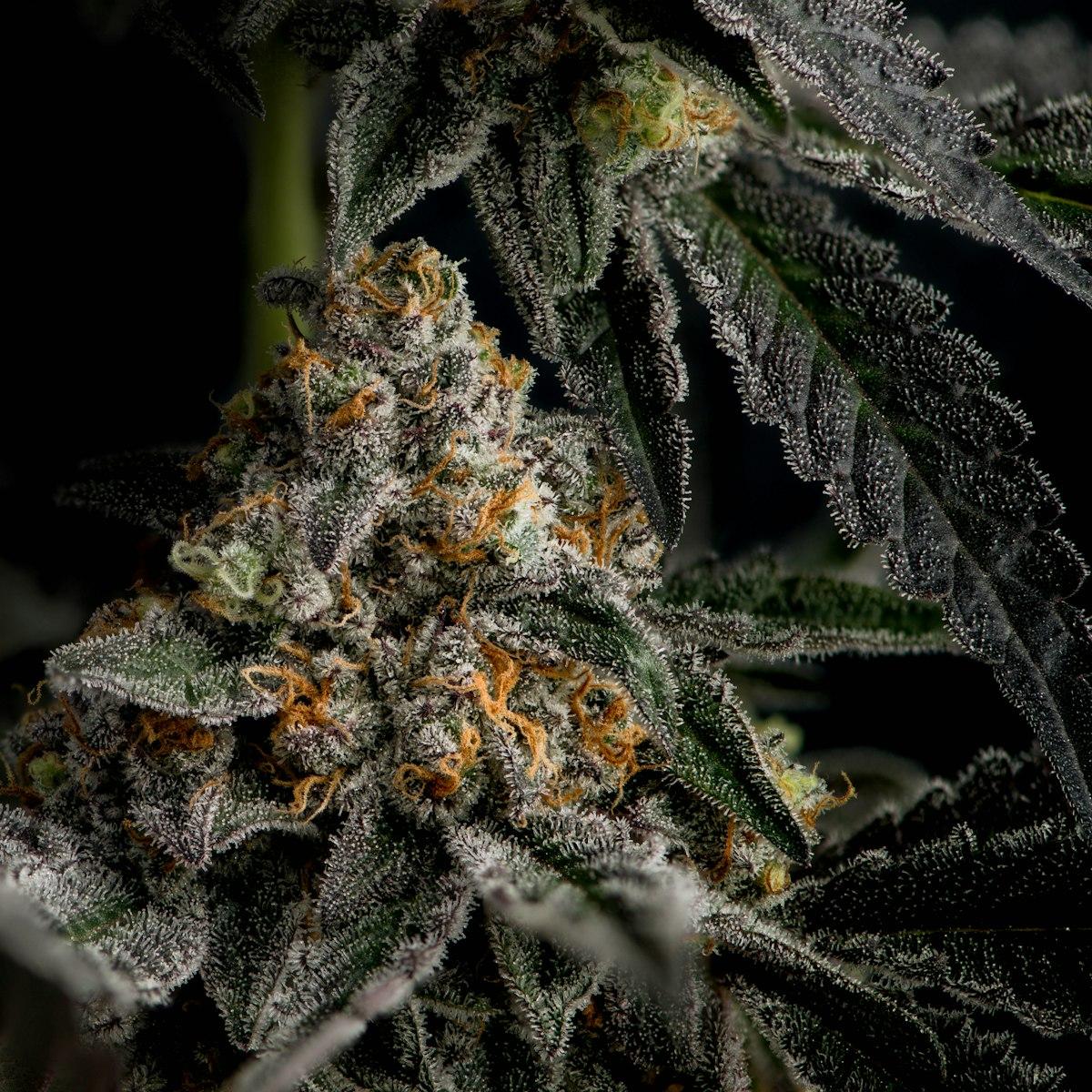
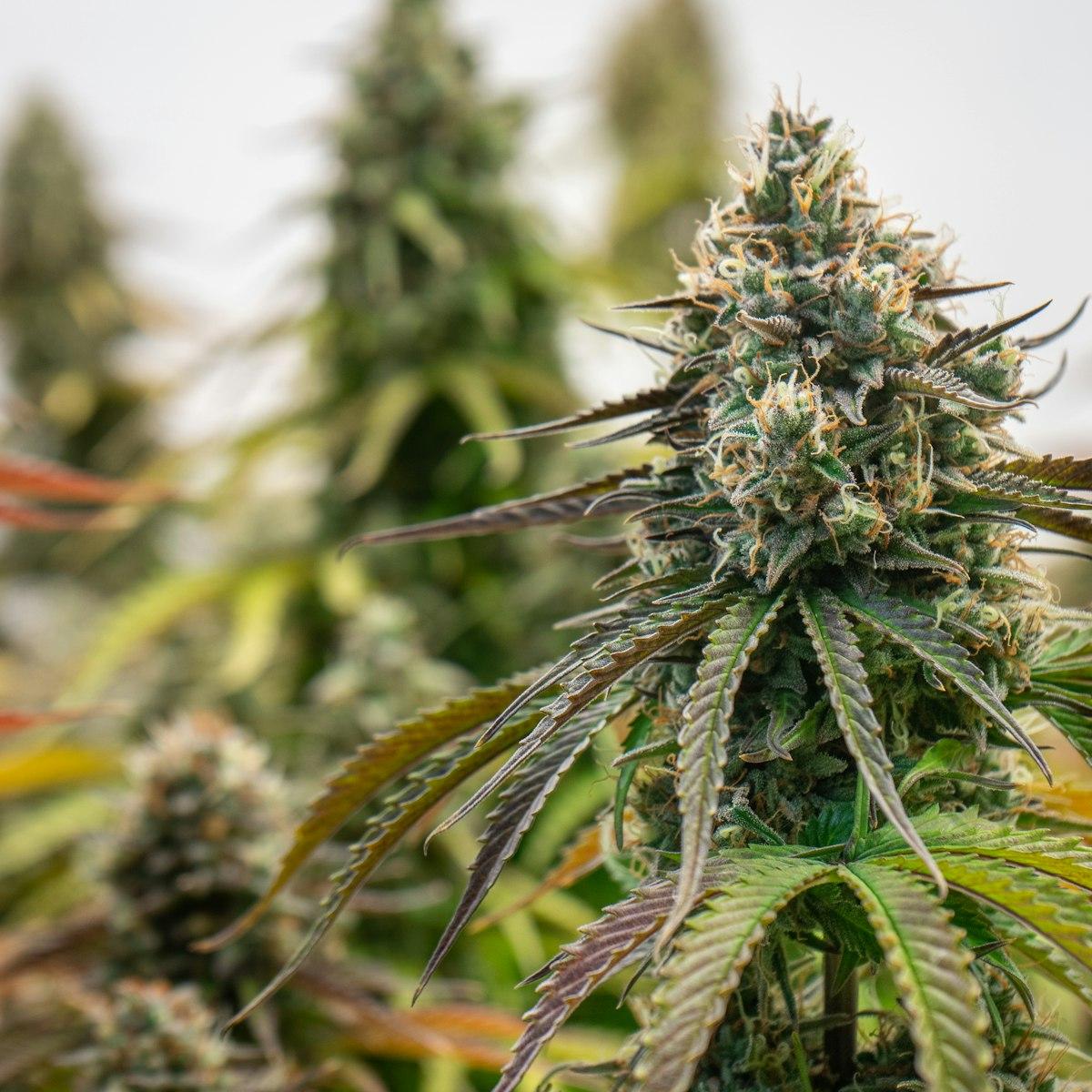

The clones vs seeds question comes down to time, certainty and control. A rooted clone is a genetic copy of a proven female plant, so it skips germination and sexing and gets you to harvest weeks sooner. Seeds take longer and carry more variation, but they offer a fresh taproot, broader strain choice and the chance to find your own standout plant.
Key takeaways
- Clones are guaranteed female copies of a known mother plant and skip two to four weeks of early growth.
- Seeds produce a taproot and fresh vigor, but regular seeds need sexing and every seed is a little different.
- Clones need a clean, reputable source because pests and pathogens can travel with cuttings.
- For a uniform canopy and a predictable schedule, most home growers find clones easier.
What a clone actually is
A clone is a cutting taken from a healthy mother plant and rooted in a cube, plug or small pot. Because it is grown from the mother's own tissue, it carries the same genetics. If the mother is a female with a known growth habit, aroma and flowering time, every clone cut from her shares those traits.
That predictability is the main appeal. When you buy a Blue Dream clone, you are buying a copy of a Blue Dream plant that has already been selected and kept, not a roll of the dice on one of many seed phenotypes. Environment still shapes the final result, but the starting point is fixed.
Clones vs seeds side by side
Here is how the two starting points compare on the factors home growers ask about most. Neither option is better in every category, which is why many experienced gardeners use both depending on the season.
- Time to flower: clones are usually ready to veg the day they arrive, while seeds need roughly two to four weeks to reach a comparable size.
- Plant sex: clones from a female mother are female. Regular seeds are about half male, and even feminized seeds can occasionally show intersex traits.
- Uniformity: clones of one strain grow at a similar height and pace, which makes canopy management simpler. Seeds vary from plant to plant.
- Root structure: seeds grow a taproot. Clones grow a fibrous root system, which works very well in containers.
- Pest and disease risk: seeds arrive clean. Clones can carry mites, powdery mildew or root issues if the source is careless.
- Upfront cost: a pack of seeds can cost less per plant, but you pay with extra weeks of light, nutrients and time.
When clones make more sense
Clones shine when you have a fixed window. Indoor growers who want a tidy, even canopy, outdoor growers who missed the early spring seed start, and anyone with a small space that cannot afford to waste a slot on a male plant all benefit from starting with rooted cuttings.
They also make sense for first-time growers. Germination, damping off and early seedling care are where a lot of beginners lose plants. Starting with an established, rooted clone removes that step and lets you focus on light, watering and feeding.
If you want a specific, named cut, a clone is often the only way to get it. Some popular strains circulate mainly as clone-only selections, and seeds sold under the same name may grow quite differently.
When seeds make more sense
Seeds are a good choice if you want to hunt for a unique phenotype, if you plan to breed, or if you are growing in a place where the cleanest possible start matters more than speed. A seed has never been exposed to another garden's pests, which is a real advantage.
Seeds are also easy to store. A grower who wants to plan several seasons ahead can keep seeds cool and dry for years, while clones must be planted and cared for right away. Autoflowering seeds are another seed-only option for growers who want plants that flower on their own regardless of light schedule.
How to judge clone quality
Since the biggest risk with clones is what comes along with them, quality matters more than price. A healthy clone has firm, upright stems, green leaves without spotting or webbing, and visible white roots at the edge of the plug or pot. It should smell fresh, not sour.
When your plants arrive, inspect the undersides of leaves with a magnifier or phone camera for mites or eggs, and keep new plants apart from any existing garden for a few days. A short quarantine is cheap insurance.
- White, healthy roots visible at the edge of the plug
- No webbing, stippling or white powder on leaves
- Stems that stand on their own without flopping
- Clear strain labeling so you know exactly what you are growing
The cost question, honestly
Per plant, seeds often look cheaper. The real comparison includes the weeks of electricity, nutrients and space a seedling uses before it catches up to a rooted clone, plus the risk of pulling males. For a small indoor grow, those weeks can be a meaningful share of the total run.
At The Clone Supply, a rooted clone is $70 and a larger teen plant is $120, with free nationwide shipping included in the price and bulk savings on six or more plants. Compare that to your own costs for running lights and space during the seedling phase to see which option pencils out for you.
A simple way to decide
If you are still unsure, answer three questions. First, how much time do you have before you want to flower or plant outside? If it is less than a month, clones or teens will get you there with a bigger plant. Second, do you need a specific, proven cut, or are you happy to explore? Proven cuts point to clones, exploration points to seeds. Third, how much space do you have for plants that may turn out male or underperform? In a small tent, every slot counts.
Many home growers end up using both. They run clones for a dependable main crop and pop a few seeds on the side when they have spare room, keeping any standout seed plant as a future mother. There is no wrong answer, only a better fit for your season, space and patience.
- Short on time or space: clones
- Want a specific named cut: clones
- Want to hunt phenotypes or breed: seeds
- Need long-term storage of genetics: seeds
Strains mentioned in this guide
Every strain ships free as a $70 clone or a $120 teen.
Frequently asked questions
Do clones yield less than plants grown from seed?
Not inherently. Yield depends mostly on genetics, light, root space and how long you veg. A healthy clone given the same veg time and conditions as a seed plant can yield just as well, especially in containers.
Can I take clones from a plant I grew from a clone?
Yes. Clones of clones carry the same genetics. The key is keeping the mother healthy and pest free, since problems in the mother are passed along to every cutting.
Are clones always female?
A clone has the same sex as its mother, so cuttings from a female mother are female. Stress such as light leaks can still cause occasional intersex flowers in any cannabis plant, so a stable environment matters.
Is it possible to mix clones and seeds in one grow?
Yes, but plan for different timelines. Seed plants will need extra veg time to match clone size, so start seeds a few weeks earlier if you want them to flower together.
Found this helpful? Share it with a fellow grower.
This guide is general growing information, not legal advice. Results depend on your setup, and you are responsible for following the cultivation laws where you live.