Most cannabis clone problems trace back to a handful of causes: roots that are too wet, roots that are too dry, pH out of range, too much or too little light, or pests. The good news is that clones are resilient. Identify which symptom you are seeing, fix the underlying condition and give the plant a week, and most recover fully.
Key takeaways
- Start with the root zone: overwatering causes more clone problems than anything else.
- Check pH before adding nutrients; many deficiencies are actually lockout.
- Brown, slimy, bad-smelling roots point to root rot and need fast action.
- Inspect leaf undersides regularly for mites and other pests.
Start with a quick diagnosis
Before changing anything, look at the whole plant and the root zone. Where is the problem showing up: old lower leaves, new top growth, or everywhere? Is the soil wet or dry? When did you last water, feed or transplant? These answers narrow the cause quickly.
Change one thing at a time. Fixing watering, adding nutrients and raising the light all on the same day makes it impossible to tell what helped.
Keep a simple log of what you see and what you change. Notes on watering, feeding, pH and temperature make it much easier to connect a symptom to a cause, and they help you avoid repeating the same mistake on the next run.
Yellowing leaves
A little yellowing on the lowest leaves of a newly shipped or transplanted clone is common and often fades as the plant settles. Yellowing that spreads quickly from the bottom up usually signals a nitrogen shortage, which is common in clones growing in plain or depleted media. A mild vegetative feed generally corrects it.
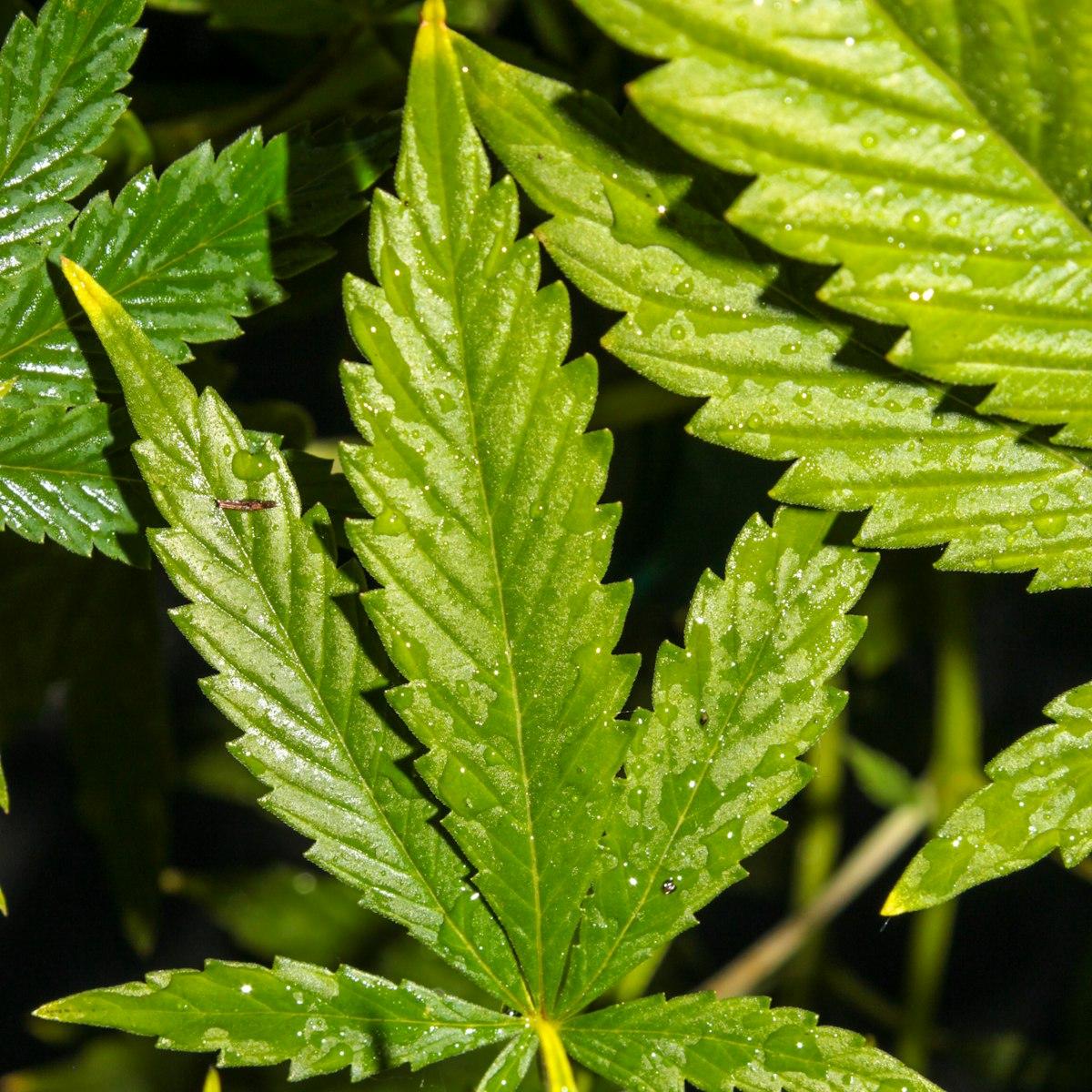
Yellowing on new growth, or yellowing between green veins, more often points to pH problems or a deficiency of calcium, magnesium or iron. Test the pH of your water and runoff. If it is outside 6.0 to 7.0 in soil or 5.5 to 6.5 in coco and hydro, correct that first.
- Lower leaves yellow, upper leaves green: likely nitrogen need
- New leaves pale or yellow between veins: likely pH or micronutrient issue
- Yellow with brown spots: possible calcium or magnesium shortage, common with soft or RO water
Wilting and drooping
Droop has two opposite causes. Overwatered plants droop with firm, dark, downward-curling leaves, and the pot feels heavy. Underwatered plants droop with limp, thin leaves, and the pot feels light. Lift the pot to tell the difference.
For overwatering, stop watering until the top inch is dry, improve airflow and make sure the pot drains freely. For underwatering, water slowly in stages so the dry mix can absorb it. Heat above about 85 F and strong light on a fresh clone can also cause temporary wilting, so check the environment as well.
Root rot and other cannabis clone problems below the soil
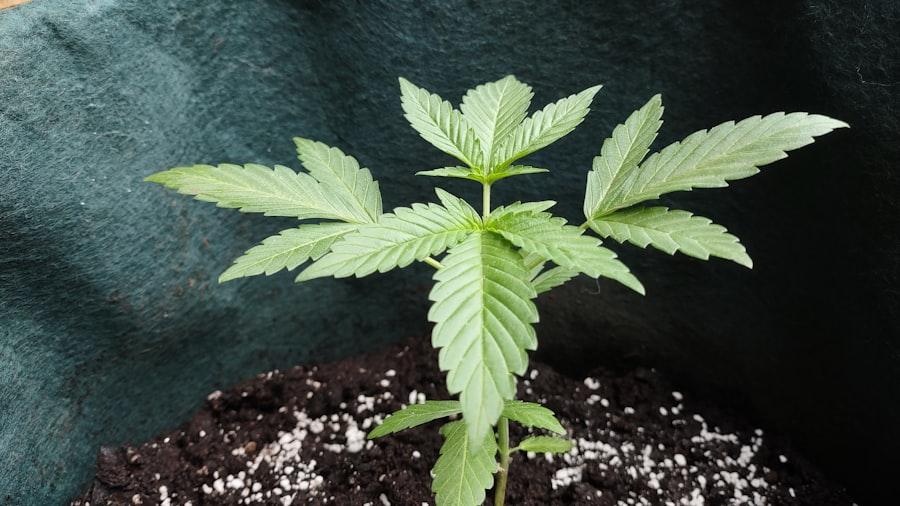
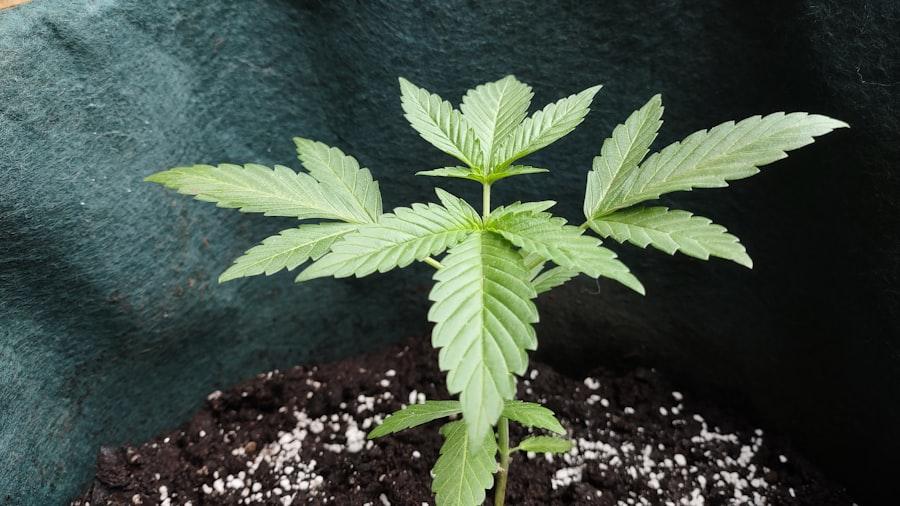
Healthy roots are white or cream colored and smell earthy. Root rot shows as brown, slimy roots with a sour smell, often alongside wilting that does not improve after watering. It is most common in hydro systems with warm water and in soil that stays waterlogged.
Act fast. In hydro, keep reservoir water around 65 to 70 F, increase aeration, and consider a beneficial microbe product designed for root health. In soil, let the pot dry, improve drainage and avoid watering on a schedule. Badly affected plants may not recover, so isolate them to protect the rest.
Pests and mildew
Spider mites leave tiny pale speckles on leaves and, in heavy infestations, fine webbing. Fungus gnats are small flies around the soil surface, usually a sign the top layer stays too wet. Thrips leave silvery streaks. Powdery mildew shows as white, flour-like patches on leaves.
Catch them early with weekly inspections, especially leaf undersides. Remove badly affected leaves, let the soil surface dry between waterings for gnats, and use a product labeled for your specific pest and plant stage. Keep humidity in range and maintain airflow to discourage mildew.
Clones that refuse to grow
A clone that stays the same size for more than ten days after recovery usually has a root zone issue: too wet, too cold, wrong pH or compacted soil. Root zone temperatures below about 65 F slow growth noticeably.
Light can also be the culprit. Too little light gives stretched, weak stems; too much bleaches the top. Aim for roughly 300 to 600 PPFD for rooted clones in veg and adjust from there.
Prevention habits
Most of these problems are easier to prevent than to fix. Start with healthy plants from a careful source, quarantine new arrivals, water by weight, check pH regularly and keep tools and surfaces clean.
If a plant from The Clone Supply arrives damaged, take clear photos when you unbox and reach out right away so the issue can be looked at quickly.
Environment targets that prevent most issues
Many clone problems disappear when the environment is steady. Keeping a few numbers in range removes a lot of guesswork when something does go wrong, because you can rule out the basics quickly.
- Temperature: about 72 to 80 F during lights on, no more than 10 F cooler at night
- Humidity: about 60 to 70 percent for fresh clones, 50 to 65 percent for established veg plants
- Soil pH: 6.0 to 7.0; coco and hydro pH: 5.5 to 6.5
- Light: about 100 to 300 PPFD for fresh clones, 300 to 600 for rooted veg plants
- Root zone: well drained, never sitting in standing water
Strains mentioned in this guide
Every strain ships free as a $70 clone or a $120 teen.
Frequently asked questions
Can a clone with root rot be saved?
Sometimes. If some roots are still white, correcting drainage, temperature and oxygen can let the plant regrow. If the entire root mass is brown and mushy, recovery is unlikely.
Why are my clone's leaf tips turning brown?
Brown, crispy tips usually mean too much fertilizer or salt buildup. Water with plain pH-adjusted water for a watering or two and reduce feed strength.
Are purple stems on a clone a problem?
Often not. Some strains show purple stems naturally, and cool temperatures can cause it. If paired with leaf spotting or poor growth, check for phosphorus or pH issues.
How quickly should a clone recover after I fix the problem?
Damaged leaves usually do not turn green again, so judge recovery by new growth. Healthy new leaves at the top of the plant within about a week are a good sign the fix worked.
Found this helpful? Share it with a fellow grower.
This guide is general growing information, not legal advice. Results depend on your setup, and you are responsible for following the cultivation laws where you live.