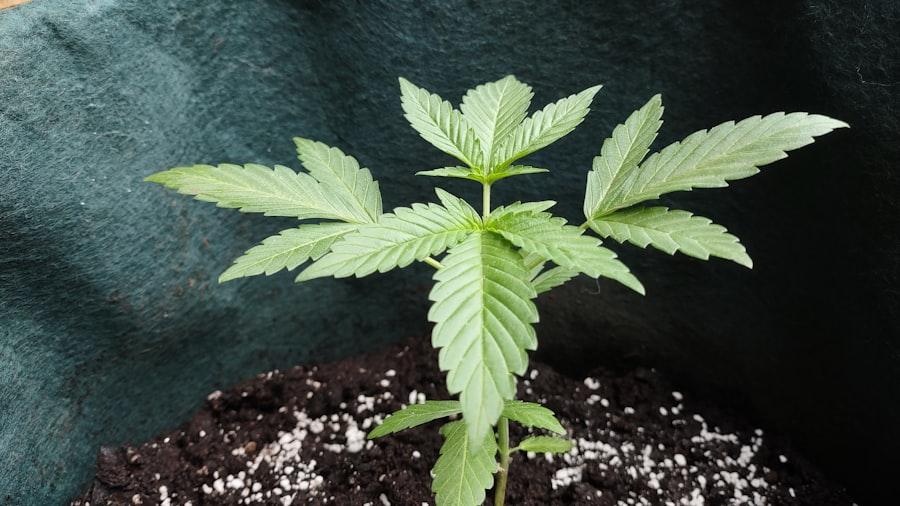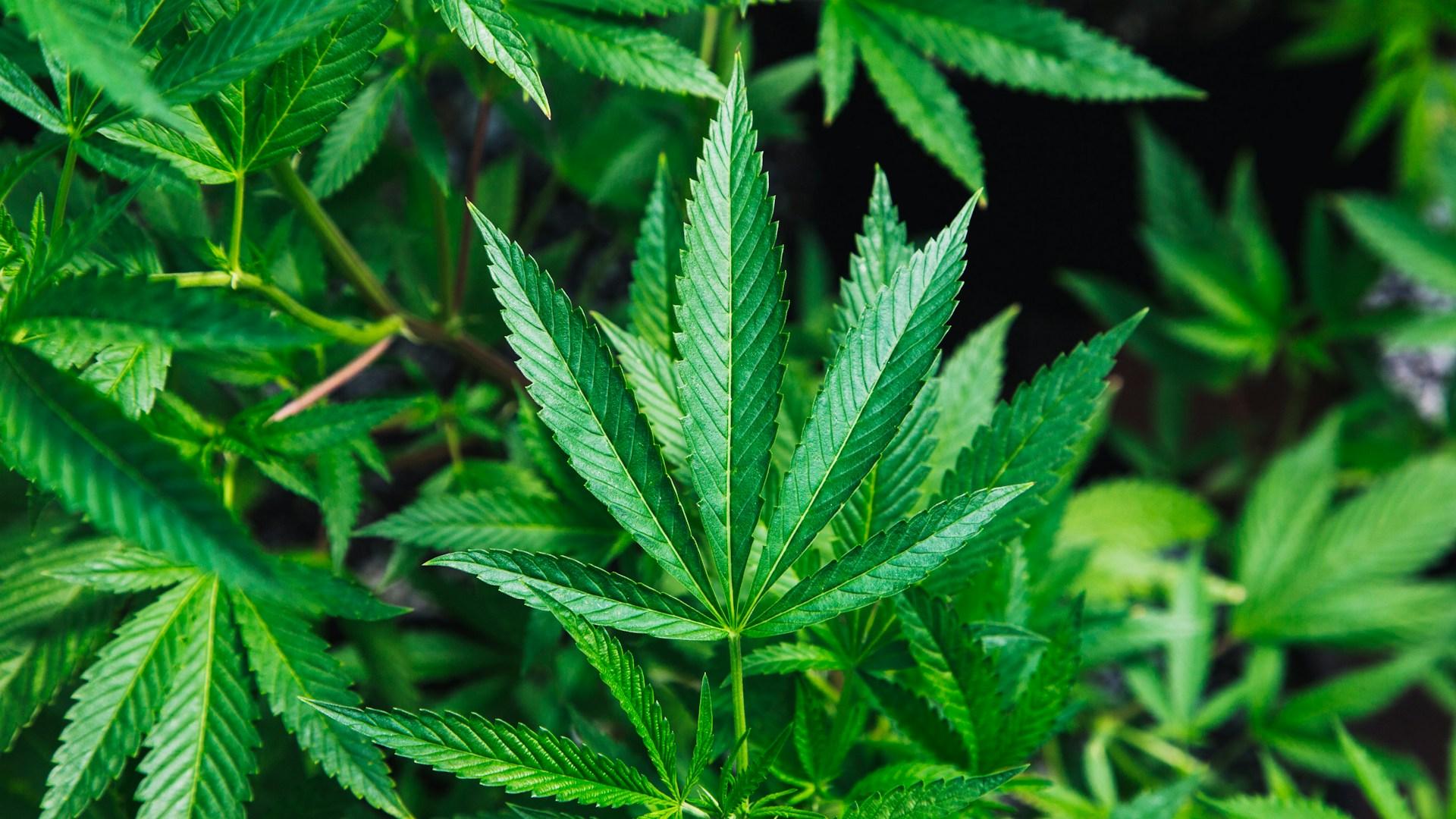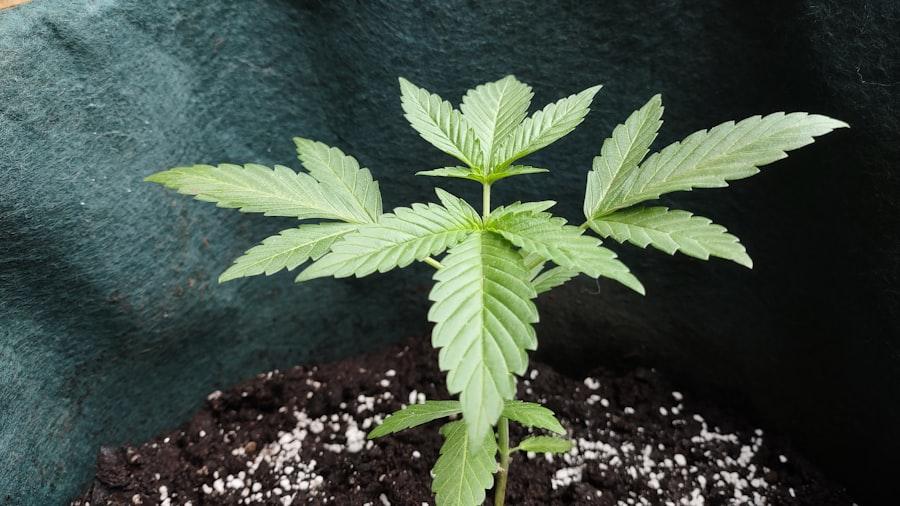
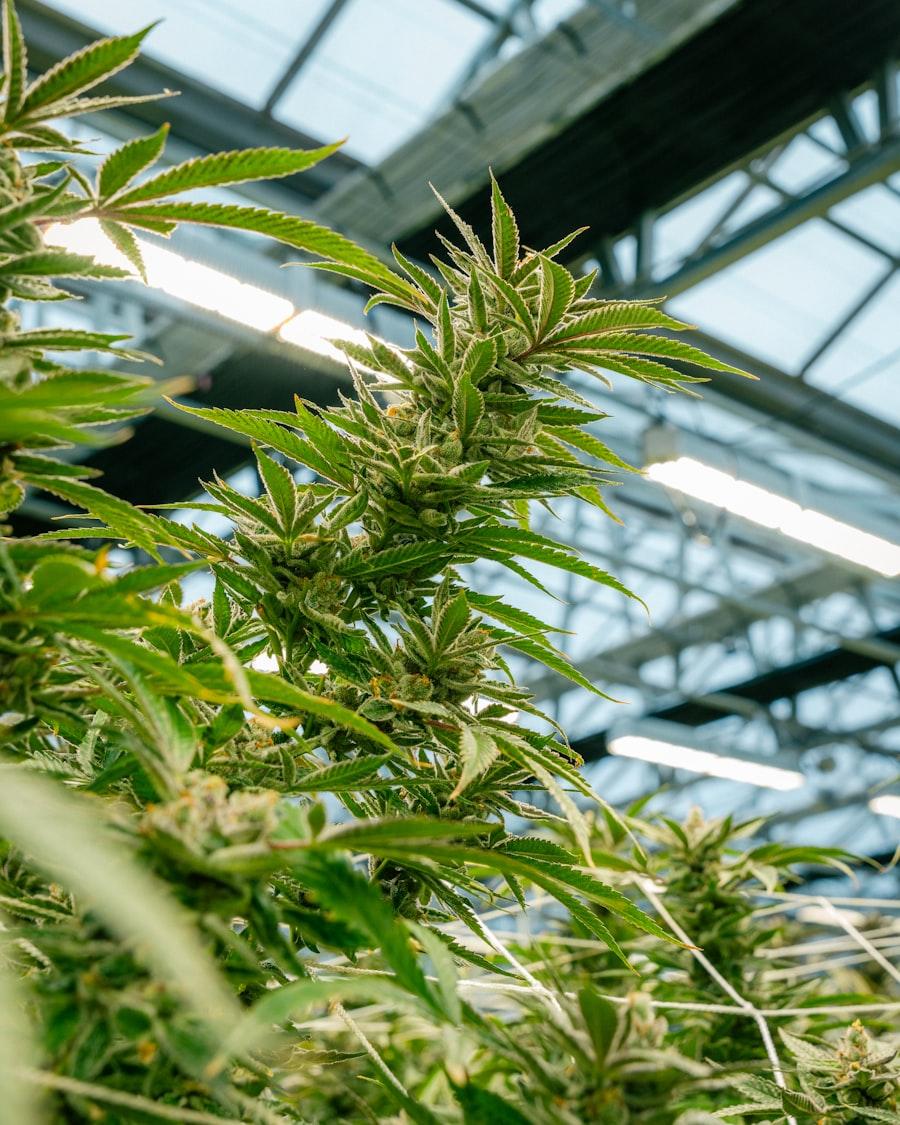
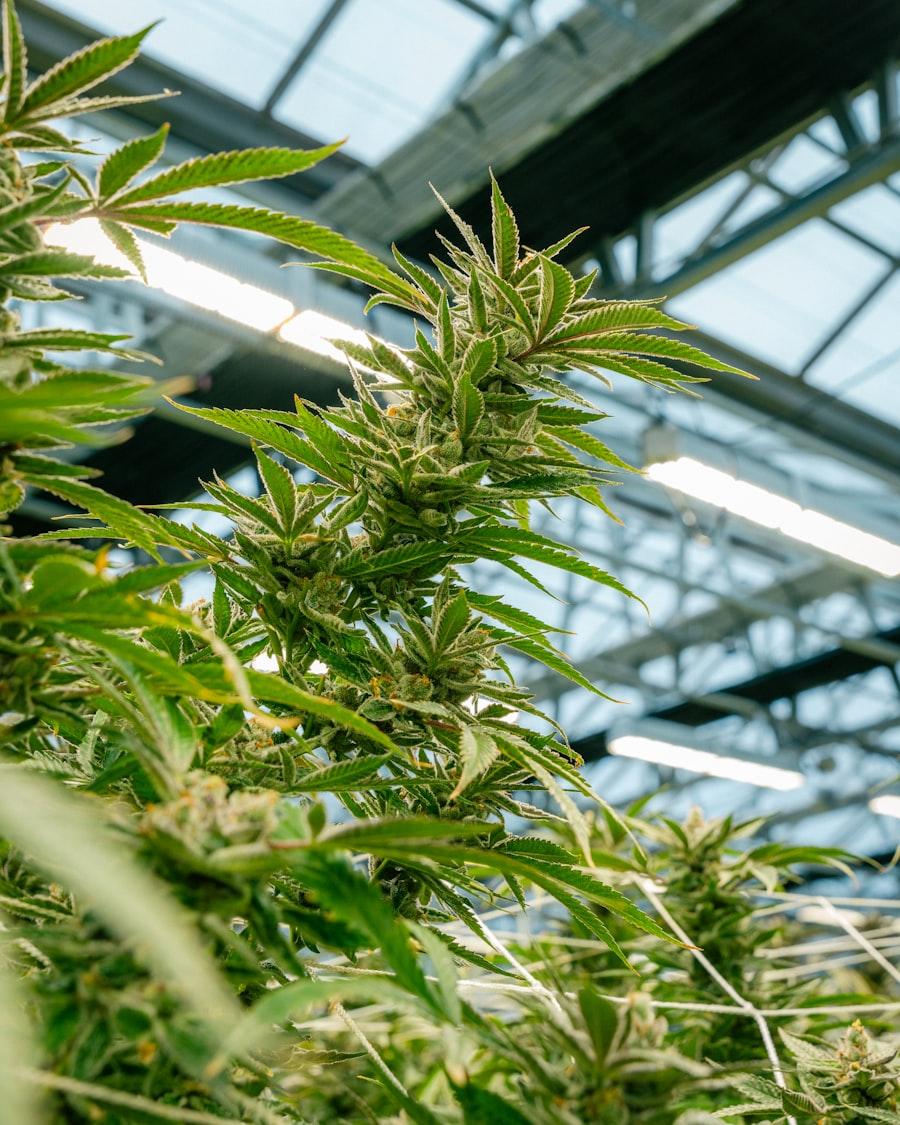
Teen cannabis plants are clones that have been grown on past the rooting stage into sturdy, established vegetative plants. Buying a teen instead of a fresh clone saves you several weeks of early veg, gives you a stronger root system out of the box and makes it easier to catch up on a late start. The tradeoff is a higher price per plant.
Key takeaways
- A teen is a rooted clone that has already spent extra time in veg, with a bigger root ball and more branches.
- Teens can save roughly two to four weeks compared with starting from a fresh clone.
- They tolerate transplanting and small mistakes better than tiny cuttings.
- Teens make the most sense for late starts, short seasons or growers who want fewer, larger plants.
What is a teen cannabis plant?
In the clone trade, a teen is a plant that has moved beyond the freshly rooted stage. It has a well established root ball, several sets of mature leaves and usually a few side branches. Think of it as a young vegetative plant that is ready to take off once it lands in its final container.
Like clones, teens are grown from cuttings of a female mother, so they carry the same known genetics. The difference is time. Someone else has already handled rooting, the first transplant and early veg for you.
Teens are also the reason many growers can keep a single tent busy year round. Instead of spending the first few weeks of every run nursing small cuttings, they start each cycle with plants that are already strong enough to train, transplant and flower on a short timeline.
Teen cannabis plants vs clones
Both start from the same genetics. The choice comes down to how much time you have, how much you want to spend and how much early care you enjoy doing yourself.
- Size: clones are small rooted cuttings. Teens are fuller plants with more nodes and a larger root mass.
- Time saved: teens are typically a few weeks ahead of a fresh clone in vegetative growth.
- Resilience: a bigger root system holds more moisture and recovers faster from shipping and transplanting.
- Price: teens cost more per plant because of the extra weeks of space, light and care.
- Training: clones give you more chance to shape the plant from the start. Teens can still be topped and trained, just a little later.
When a teen is the better choice
Late outdoor starts are the classic case. If summer is already underway, a teen gives you more plant before the days start getting shorter, which can mean a noticeably larger plant at harvest than a clone set out on the same date.
Teens also suit indoor growers who want to flip to flower soon. If your tent is empty and you want to start flowering within a week or two, a teen reaches a useful size faster than a fresh cutting would. And if you have had trouble keeping very small plants alive in the past, the extra root mass is forgiving.
When a clone is still the smarter buy
If you have time and space, clones offer better value per plant. A grower who plans a long veg, or wants to train plants into a specific shape from the very first node, will often prefer starting small.
Clones also make sense for larger plant counts. Running a full sea of green style canopy with many small plants is easier and more affordable with clones, since you are going to flip them early anyway.
How to care for teens after delivery
Teens arrive with more leaf surface, so they lose more water in transit. Check the soil as soon as you open the box and water lightly if it is dry. Give them a day of moderate light rather than full intensity, then ramp up over two or three days.
Transplant into a final container within the first week. For indoor grows, 3 to 7 gallons is a common range; outdoors, a large fabric pot or prepared garden bed. Keep soil pH around 6.0 to 7.0, and begin a mild vegetative feed once you see new growth.
Because teens are already established, they respond quickly to topping or low stress training. Wait until they have recovered from shipping, usually three to five days, before cutting or bending.
Is the extra cost worth it?
That depends on what time is worth in your garden. At The Clone Supply, a clone is $70 and a teen is $120, both with free nationwide shipping included. If those extra weeks would otherwise cost you lighting, nutrients and a slot in a short outdoor season, a teen can be the more efficient choice.
A simple way to decide: if your next step is flowering soon or planting outdoors late, choose teens. If you have a month or more of veg ahead of you, clones are usually enough.
Planning your grow around teens
Because teens arrive closer to flowering size, plan your space and schedule around them before you order. Have final containers, soil and a light ready, and decide in advance whether you want to flip to flower within a week or two or give the plants a longer veg to fill a bigger area.
For indoor growers, teens make it easy to keep a tent productive. When one harvest comes down, a fresh set of teens can go in and start flowering almost immediately, cutting the downtime between runs. Outdoors, teens let you match a late planting date with a respectable final plant size.
Mixing clones and teens in one order also works well. Teens give you a quicker first harvest, while clones planted at the same time grow on for a later, staggered harvest. That spreads out drying and trimming work, which many home growers appreciate.
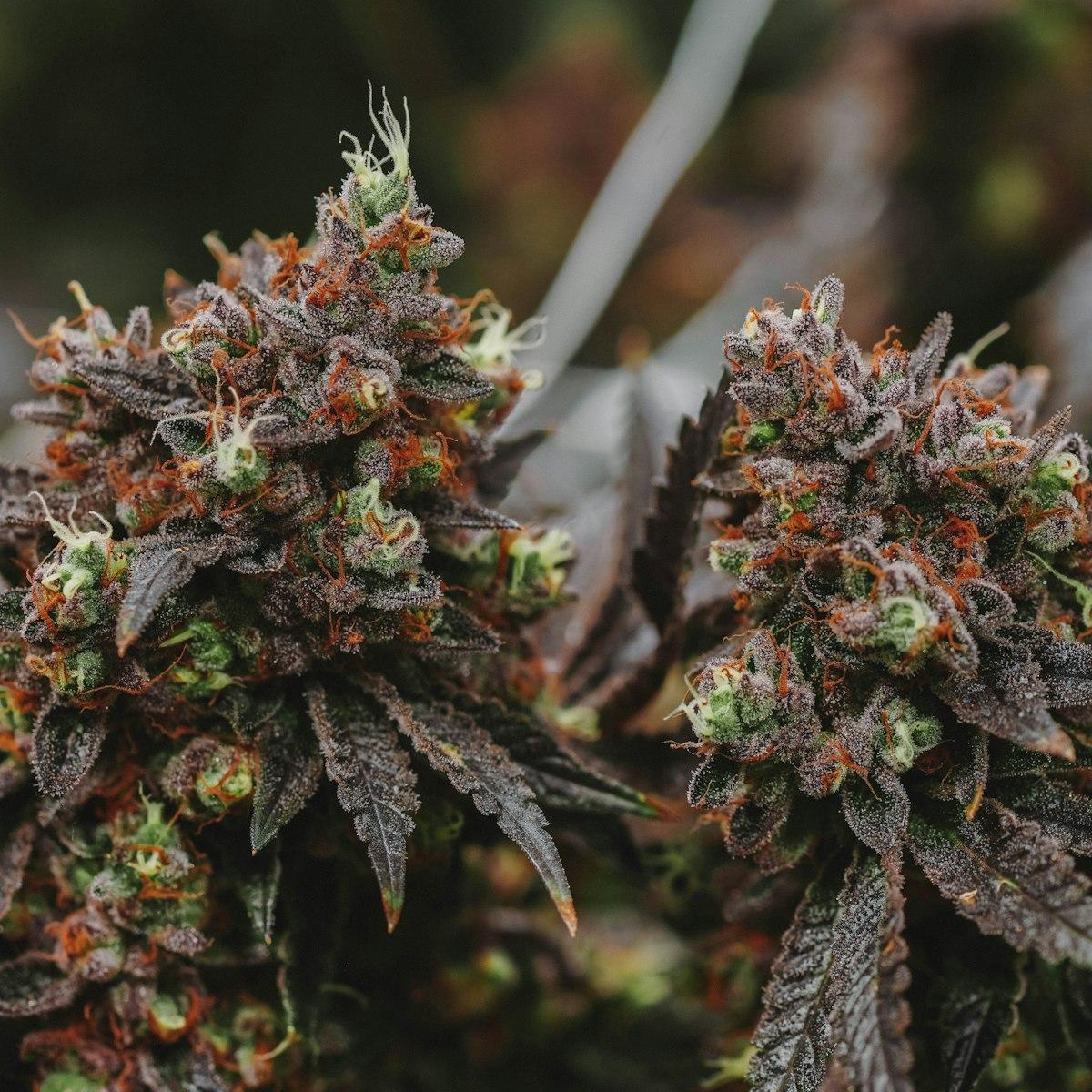
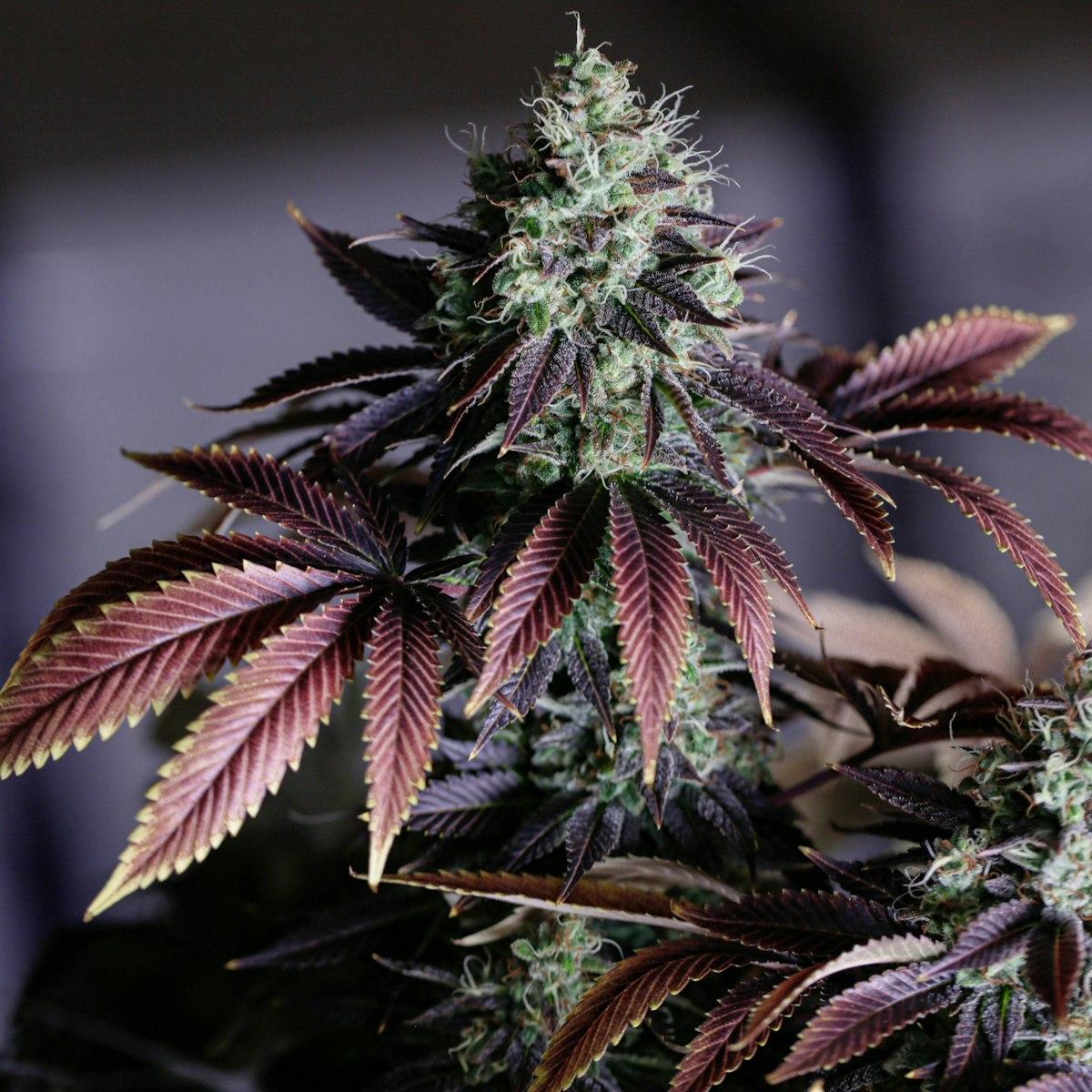
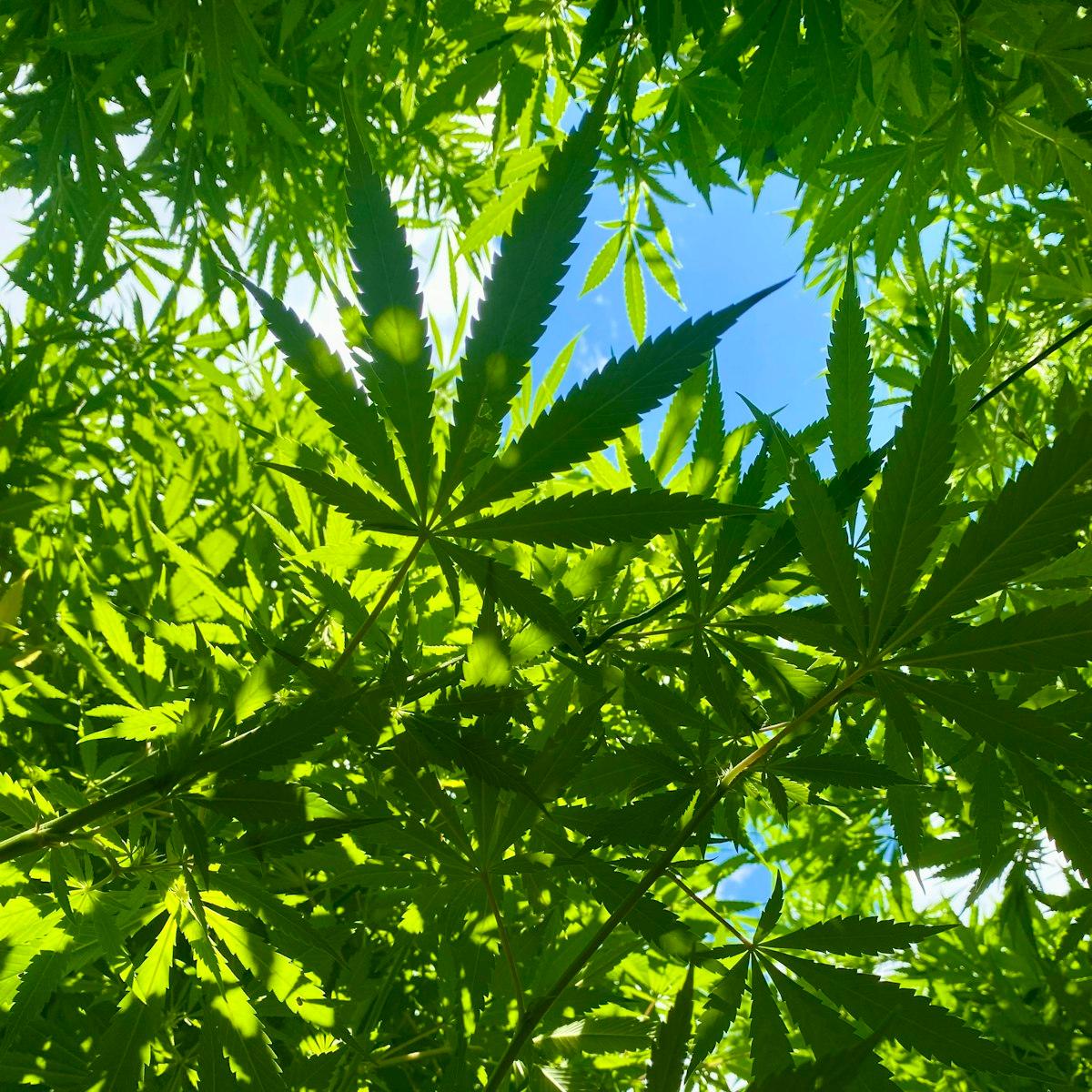
Strains mentioned in this guide
Every strain ships free as a $70 clone or a $120 teen.
Frequently asked questions
Are teen plants more likely to have pests than clones?
Not inherently. Pest risk depends on the cleanliness of the nursery, not the plant size. Inspect and quarantine teens on arrival just as you would clones.
Can I flower a teen plant right away?
You can, but most growers get better results by vegging at least one to two weeks after transplant so the roots can fill the new container before flowering starts.
Do teens yield more than clones?
A teen and a clone of the same strain can reach the same size given enough veg time. Teens simply get there sooner, which is why they tend to produce bigger plants when time is limited.
How big is a teen plant compared with a clone?
Sizes vary by strain and nursery, but a teen is noticeably larger and fuller than a fresh rooted cutting, with more nodes, more leaf area and a root ball that fills its pot. Expect a plant that looks like a young vegetative plant rather than a cutting.
Found this helpful? Share it with a fellow grower.
This guide is general growing information, not legal advice. Results depend on your setup, and you are responsible for following the cultivation laws where you live.