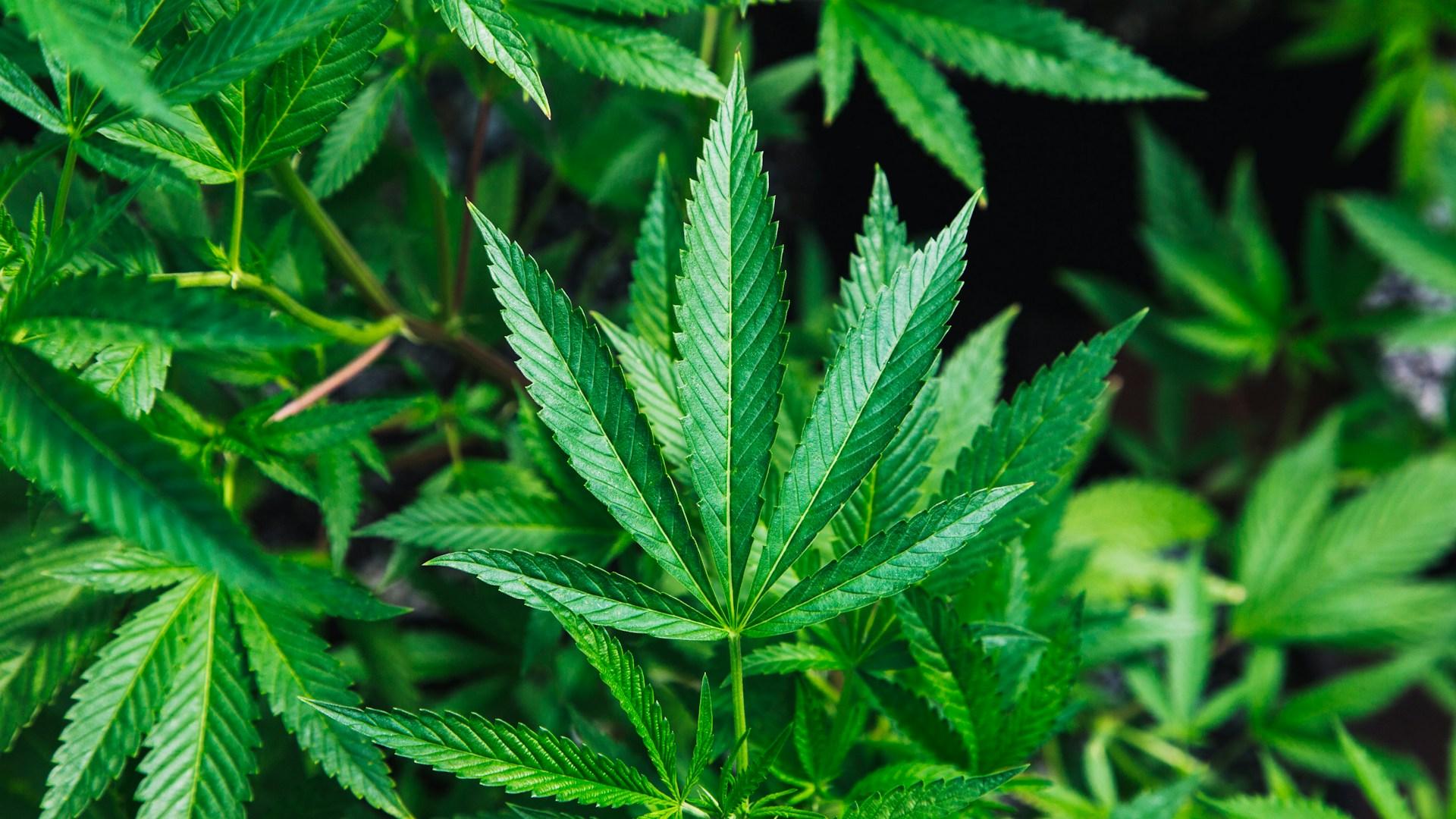
If you are wondering what to do when clones arrive, the short answer is: open the box right away, check moisture and roots, inspect for pests, and give the plants a gentle, humid space with soft light for the first three days. Shipped clones are a little tired from the trip, and the goal is to let them recover before you push growth.
Key takeaways
- Unbox the same day, check each plant and note any damage while it is fresh.
- Quarantine new plants away from existing gardens for at least a few days.
- Start with low light, 60 to 75 percent humidity and moist but not soggy roots.
- Wait until plants perk up and show new growth before transplanting or feeding.
Before the box arrives
Have a space ready so you are not scrambling. That means a clean tray or shelf, a light you can dim or raise, a spray bottle, pH-adjusted water and a humidity dome or a clear plastic tote if your room is dry.
Check the tracking and plan to be home on delivery day. Boxes left on a hot porch or in a freezing mailbox are hard on living plants. If you will not be there, ask a neighbor or arrange a pickup.
- Light source: LED at low intensity or a T5 kept 12 to 18 inches away
- Humidity dome, clear tote or a room around 60 to 70 percent humidity
- Clean pots and fresh potting mix ready for later
- Water adjusted to about pH 6.0 to 6.5
What to do when clones arrive: the unboxing
Open the box indoors, out of direct sun. Remove any packing material gently and lift each plant by its plug or pot, not by the stem. Set them upright and give them a few minutes to adjust to the light.
Check the plugs or soil with a finger. If they feel dry, give each plant a small amount of water. If they feel wet, leave them alone. Take a few photos of each plant as it arrived; if something was damaged in transit, those photos make it much easier to sort out with the seller.
Some droop and a little leaf yellowing is normal after a few days in the dark. Broken main stems or roots that are brown and mushy are not, and those are worth reporting right away.
Inspect and quarantine
Look closely at the tops and undersides of the leaves. You are checking for tiny moving dots, fine webbing, white powdery patches or small pale speckles that can indicate feeding damage. A phone camera zoomed in or a cheap jeweler's loupe works well.
Even when everything looks clean, keep new plants in a separate room or tent for several days if you have other plants growing. This is standard practice for any new plant in any garden, and it protects both your existing grow and the new arrivals.
Hour by hour: the first 72 hours
Day one is about rest. Keep the plants under low light and high humidity, around 65 to 75 percent. If you have a dome, crack the vents slightly so air can move. Mist lightly only if the room is very dry, and avoid wetting leaves under strong light.
On day two, the plants should begin to stand up straighter. Leave the light schedule at 18 hours on and 6 off, keep intensity low, and only water if the plug or soil has started drying out. Temperatures between 72 and 80 F help roots wake up.
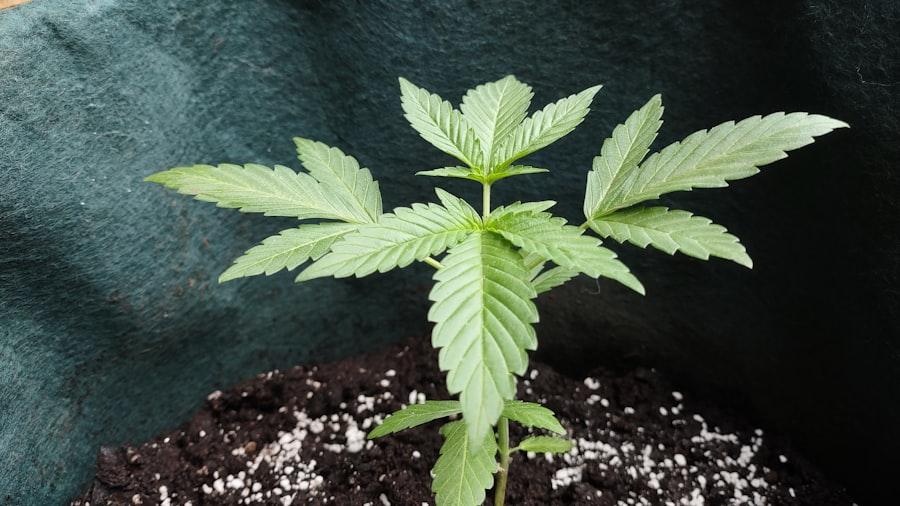
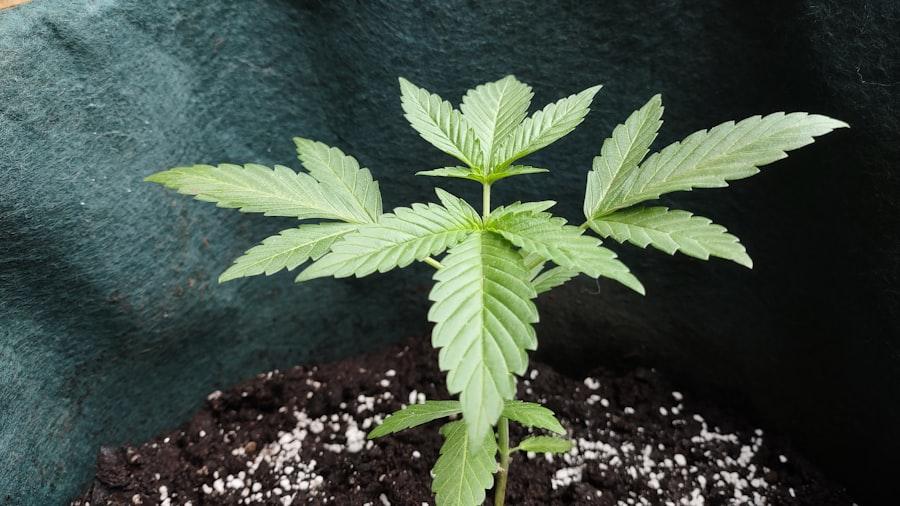
By day three, most healthy clones look noticeably better. Begin raising light intensity gradually and open the dome vents further to lower humidity. If plants look perky and roots are visible at the edges of the plugs, you can plan to transplant in the next day or two.
Common mistakes that slow recovery
The most frequent mistake is doing too much too soon. Shipped plants do not need strong nutrients, full-power lights or an immediate transplant into a huge pot. They need moisture, gentle light and time.
- Blasting tired clones with full-intensity light on day one
- Soaking plugs that were already moist, which starves roots of oxygen
- Feeding full-strength nutrients before new growth appears
- Placing new plants directly into an existing garden without a quarantine period
- Letting the box sit unopened for hours after delivery
Clones vs teens on arrival
Teen plants usually arrive in their own pots with a well developed root system, so they bounce back faster and can often go under regular light by day two or three. Clones are smaller and benefit more from the humidity dome stage.
Both follow the same rule: watch the plant, not the calendar. When it stands up straight and puts out fresh green growth, it is ready for the next step. Every order from The Clone Supply ships with free nationwide shipping, so it is worth having this recovery space ready before the box lands.
Setting up a simple recovery station
You do not need a dedicated propagation room to give shipped clones a good start. A clean shelf, a basic LED or fluorescent light on a timer, a clear plastic tote turned upside down as a dome and a small clip fan on low will do the job for most home growers.
Place the light so the tops of the plants receive gentle, even light, then set the timer to 18 hours on and 6 off. Point the fan so it moves air around the space rather than blowing directly on the plants. Keep a cheap thermometer and hygrometer nearby so you are reading actual conditions instead of guessing. Once the plants are standing tall and growing, the same setup works as a holding area until you transplant them into their final space.
Strains mentioned in this guide
Every strain ships free as a $70 clone or a $120 teen.
Frequently asked questions
My clones arrived droopy. Are they dead?
Usually not. Droop is a normal reaction to a few days in the dark. Give them moist roots, low light and higher humidity, and most stand back up within 24 to 48 hours.
Should I transplant my clones the day they arrive?
It is better to wait one to three days. Let the plants recover from shipping first, then transplant once they look perky and roots are visible at the edges of the plug.
Do shipped clones need a humidity dome?
Not always, but it helps if your room is below about 50 percent humidity. A dome or clear tote reduces water loss while the plants adjust. Vent it gradually over a few days.
Can I put new clones outside right away?
No. Plants that have been in a box need to recover indoors first and then be hardened off to direct sun over about a week before going outside full time.
Found this helpful? Share it with a fellow grower.
This guide is general growing information, not legal advice. Results depend on your setup, and you are responsible for following the cultivation laws where you live.