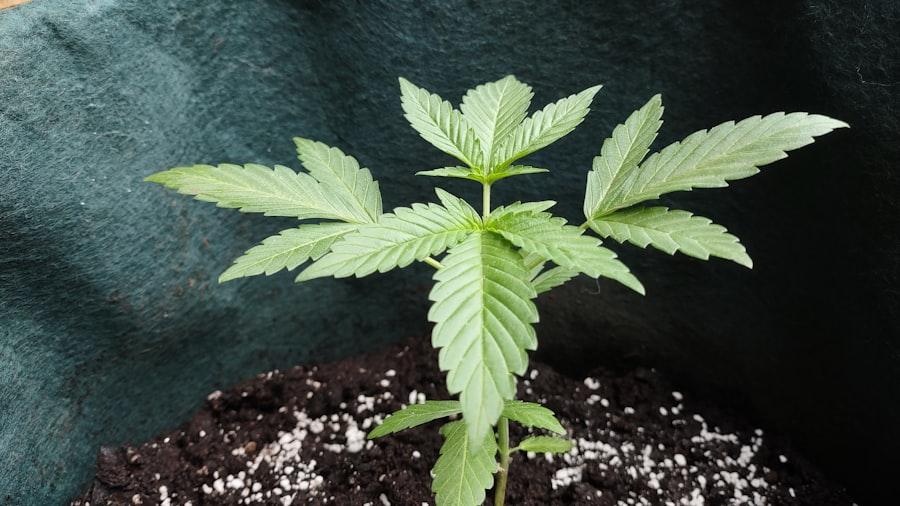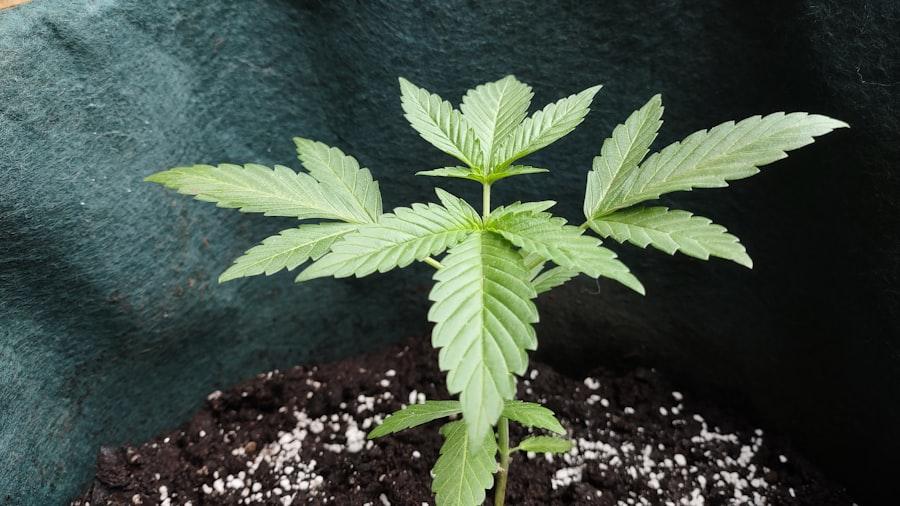
Watering and feeding new clones comes down to restraint. Water only when the plug or pot is drying out, keep pH around 6.0 to 7.0 for soil or 5.5 to 6.5 for coco and hydro, and hold off on full-strength nutrients until the plant is rooted into fresh mix and growing. Most early clone problems come from doing too much, not too little.
Key takeaways
- Water by weight and feel, not by calendar. Let the top inch dry between waterings in soil.
- Keep pH in range: 6.0 to 7.0 in soil, 5.5 to 6.5 in coco or hydro.
- Use plain water or a very light feed for the first week; most potting mixes already contain nutrients.
- Increase feeding gradually in week two once new growth is clearly underway.
Why new clones are easy to overwater
A fresh clone has a small root system compared with the soil around it. Roots need oxygen as well as water, and when the mix stays saturated, roots suffocate. That is why droopy, dark green leaves that curl downward are often a sign of too much water rather than too little.
The fix is to match the water to the roots. Small pots dry out faster, which is one reason growers start clones in 1 gallon pots or smaller before moving up.
It is worth remembering that a clone in its first two weeks is mostly building roots, not leaves. Growth above the soil may look slow even when the plant is doing exactly what it should below the surface, so resist the urge to fix a plant that is simply settling in.
How to tell when a clone needs water
Lift the pot right after watering so you know what wet feels like. Then lift it each day. When it feels clearly lighter and the top inch of soil is dry to your finger, it is time to water again. For rockwool or plugs, water when the cube feels noticeably lighter but before it dries out completely.
Water slowly in a ring around the stem until about 10 to 20 percent runs out of the bottom. For a freshly transplanted clone in a larger pot, water only the area around the root ball at first so the rest of the soil does not stay soggy.
- Pot feels light when lifted
- Top inch of soil is dry
- Leaves are firm, not limp or clawing downward
pH and water quality
Roots take up nutrients best in a specific pH range. In soil, aim for 6.0 to 7.0, with 6.3 to 6.8 a common sweet spot. In coco coir or hydroponics, 5.5 to 6.5 is typical. A cheap pH pen or drop test kit is one of the best investments for a new grower.
Tap water varies widely. If yours is very hard or heavily chlorinated, let it sit out overnight or use a carbon filter. If you use reverse osmosis or very soft water, add a calcium and magnesium supplement at a low dose, since clones grown in soft water often show cal-mag deficiencies.
Watering and feeding new clones: a two-week plan
This plan assumes a quality potting mix with some nutrients already in it. If you grow in coco or a plain inert medium, start a mild feed from the first watering instead, since those media contain little or no food.
- Days 1 to 3: plain pH-adjusted water only when needed. Focus on recovery from shipping or transplant.
- Days 4 to 7: plain water or a root stimulant. Look for new growth at the top of the plant.
- Days 8 to 10: begin a vegetative nutrient at about one quarter of the label strength if growth looks healthy.
- Days 11 to 14: increase to one third to one half strength if leaves stay green without burnt tips.
Reading the leaves
Your plants tell you when you are off. Pale, light green new growth often means they are ready for more food. Dark green, shiny leaves with tips that bend down like claws usually mean too much nitrogen. Brown, crispy tips point to nutrient burn, so back off and water plainly for one or two waterings.
Yellowing on the lowest leaves of a small clone in the first week is common as the plant reallocates resources, and is not always a problem. Yellowing that climbs quickly up the plant is worth investigating.
Teens and fast growers
Teens and vigorous strains use more water and nutrients sooner because they have more leaf area. A teen in a 3 gallon pot may need water every two to three days and be ready for half-strength feed by the end of the first week.
If you ordered a mix of clones and teens, for example to take advantage of bulk savings at The Clone Supply, group them by size so you can water each group on its own rhythm instead of watering everything on the same day.
Simple tools that take the guesswork out
A few inexpensive tools make watering and feeding far more consistent. A pH pen or drop test kit lets you confirm your water and feed are in range. A TDS or EC meter tells you how strong your nutrient solution is, so you can start low and increase in measured steps rather than guessing.
A watering can with a long spout and a gentle head makes it easier to water slowly around the stem. A measuring syringe or small measuring cups help you mix nutrients accurately at quarter and half strength, which is hard to do by eye. Finally, a notebook or phone note to track when you watered, how much and what you fed will help you spot patterns long before problems become serious.
For new clones, a mild solution often reads somewhere around 0.4 to 0.8 EC, rising toward 1.0 to 1.4 for vigorous veg plants. Treat those as general starting points and let the plant's response guide you.
Strains mentioned in this guide
Every strain ships free as a $70 clone or a $120 teen.

Frequently asked questions
Should I water clones every day?
Rarely. Daily watering often keeps the root zone too wet. Small plugs under strong light may need it, but plants in soil usually need water every two to four days at first.
Can I use bottled water for clones?
Yes, though it is usually unnecessary. Spring water typically has some minerals. Distilled water has none, so add a low dose of cal-mag if you use it regularly.
Do clones need root hormone after they arrive?
No. Rooting hormone is for unrooted cuttings. Shipped clones already have roots. A mild root stimulant during transplant is optional, not required.
What is the easiest way to avoid overwatering?
Use smaller pots at first, water only when the pot feels light, and make sure every container drains freely. Fabric pots also help because they dry more evenly than plastic.
Found this helpful? Share it with a fellow grower.
This guide is general growing information, not legal advice. Results depend on your setup, and you are responsible for following the cultivation laws where you live.